
Associated factors and economic impact of vascular access infections in hemodialysis patients.
DOI:
https://doi.org/10.56867/183Keywords:
Vascular access infections, Associated factors, Economic impactAbstract
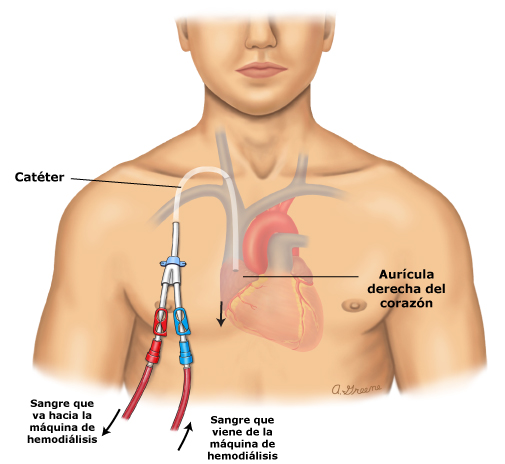
Introduction: Vascular access-associated infections (VAAIs) are a frequent complication that increases morbidity and mortality and imposes an economic burden. Their clinical and microbiological profiles, as well as their financial impact, vary depending on the type of vascular access and the causative agent.
Objective: To identify factors associated with VAAIs and estimate the economic impact among patients at six dialysis centers in Ecuador.
Materials and Methods: This was a multicenter, cross-sectional, observational study involving 140 patients with VAAIs between July 2024 and June 2025. Demographic and clinical variables, vascular access type, microbiological profile, direct costs, and clinical outcomes were analyzed. Statistical analyses included Kruskal-Wallis and chi-square tests, Pearson and Spearman correlation tests, and nominal logistic regression.
Results: Males predominated (57.1%), with a mean age of 63.19 ± 13.4 years. Diabetes mellitus was the primary cause of chronic kidney disease (60.7%). Permanent catheters accounted for 80.7% of the infections, primarily located in the right jugular vein (62.9%). Hospitalization was required for 33.6% of patients, and 40% underwent surgical procedures. No differences in costs were observed based on the type of access (p≥0.05); however, Gram-positive infections increased medication costs by 35% to 41% (p<0.001). A correlation was found between the duration of treatment and total cost (rₛ=0.499; p<0.001). In the multivariate model, the type of vascular access was the main independent predictor of the type of pathogen (p=0.029), while age showed a borderline effect (p=0.050).
Conclusions: VAAIs are predominantly associated with permanent catheters and result in high healthcare resource utilization. The type of vascular access is the primary determinant of the microbiological profile, whereas the economic impact depends mainly on the type of bacteria and the duration of treatment.
Published
Issue
Section
License
Copyright (c) 2026 Mónica De Las Salas Barroso, Janette López Crespo, Mónica de las Salas Barroso, Eusebio Martínez Porras, Patricia Ronquillo Tutiven, Patricia Llerena Montenegro, Jorge Quinchuela, Pesantez S, Vélez C. (Author)

This work is licensed under a Creative Commons Attribution-NonCommercial-ShareAlike 4.0 International License.
 10.56867