
Adulto mayor con hipertensión refractaria.
A case report.
DOI:
https://doi.org/10.56867/Palabras clave:
Hipertensión refractaria, Adulto mayorResumen
Introducción: El hiperaldosteronismo primario es una causa frecuente de hipertensión secundaria asociada a daño de órgano blanco (fibrosis miocárdica, rigidez arterial y albuminuria) por efecto directo sobre el receptor mineralocorticoide, más allá de su repercusión hemodinámica sobre la presión arterial, siendo un factor de riesgo cardiovascular independiente potencialmente curable, sigue siendo infradiagnosticado y, en la tercera edad, raramente es considerado candidato para estudio o tratamiento definitivo.
Reporte de caso clínico: Masculino de 89 años, con antecedentes: EPOC, exfumador, hipotiroidismo, con hipertensión arterial de difícil control desde los 57 años a pesar de múltiples esquemas, requiriendo 6 antihipertensivos en dosis óptimas (ARA 2, alfa-bloqueantes, bloqueadores de canales de calcio, diuréticos). Referido a nefrología por proteinuria persistente en IAC (545 mg/g), ecocardiograma basal: strain global -10%, disfunción diastólica grado II, aumento de presiones de llenado.
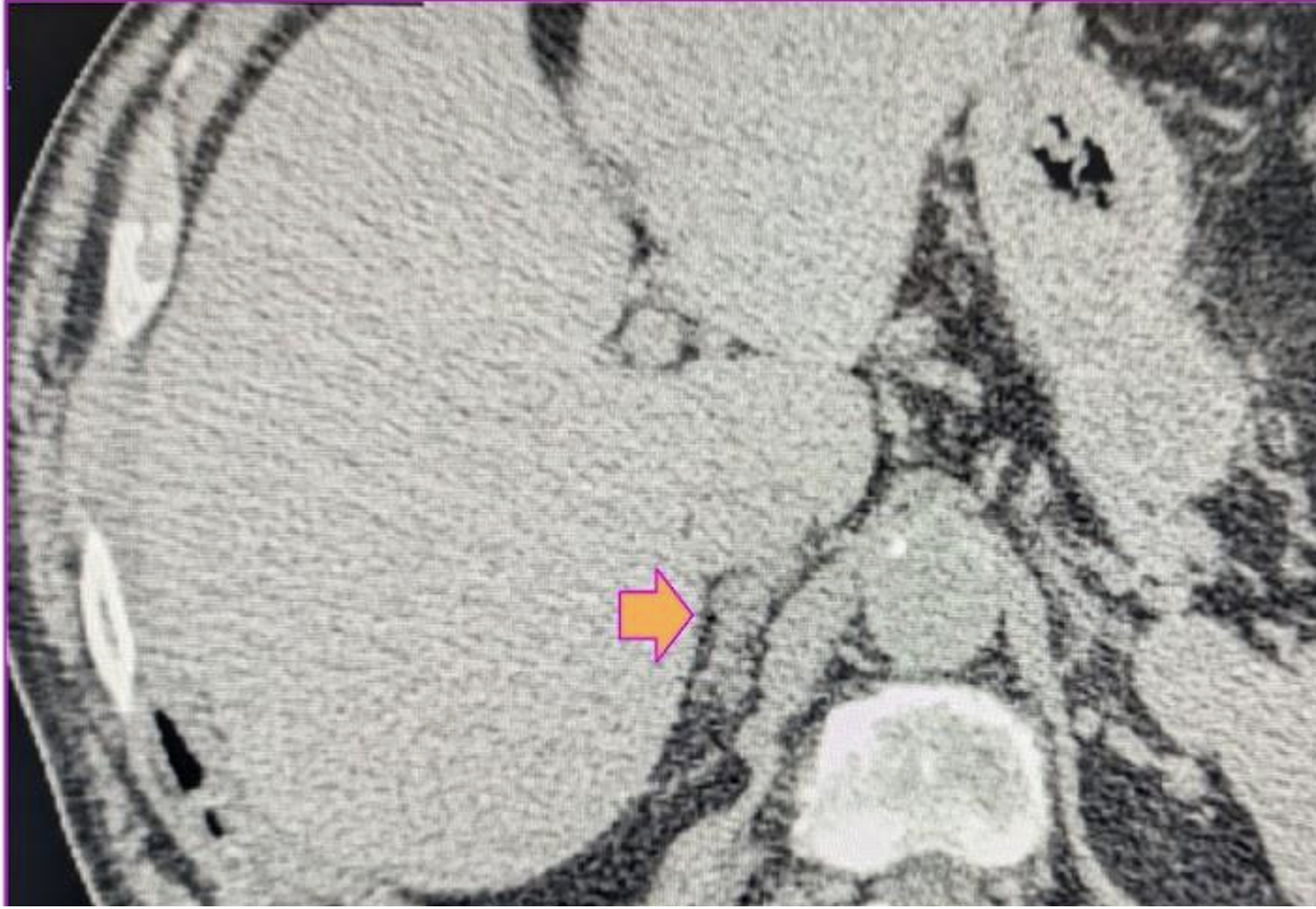
Adiciona hallazgo incidental durante hospitalización por neumonía: hipopotasemia, gradiente transtubular de potasio elevado, relación aldosterona/renina activa no concluyentes por corrección. Tumor renal izquierdo (40 mm), nódulo suprarrenal derecho (9 mm), inicio empírico de espironolactona y reposición de potasio.
Concordancia bioquímica + imagen + clínica: adenoma productor de aldosterona unilateral; se realiza adrenalectomía.
Resultados: hubo reducción del riesgo a fallo renal de 2.10% al 0.83% en 5 años, IAC de 545 a 34.3 mg/g, disminución de 6 a 2 antihipertensivos, disminución de cifras tensionales.
Conclusiones: las pruebas confirmatorias no deben demorar el inicio del tratamiento frente a hallazgos significativos y concordantes. Suspender el tratamiento farmacológico durante 4 a 6 semanas mejora el muestreo hormonal. Entre los objetivos: disminuir los riesgos asociados al daño de órgano blanco; datos extrapolables potencialmente aplicables a nivel cardíaco; disminución de la hipertrofia, de las presiones de llenado y del strain longitudinal; frenar la progresión hacia el fallo renal y mejorar la calidad de vida. La edad no es un motivo para diferir el tratamiento quirúrgico.
Descargas
Publicado
Número
Sección
Licencia
Derechos de autor 2026 Fernando Jiménez, J Chamorro. (Author)

Esta obra está bajo una licencia internacional Creative Commons Atribución-NoComercial-CompartirIgual 4.0.
 10.56867