
Unmasking thrombotic microangiopathy in pregnancy.
DOI:
https://doi.org/10.56867/Keywords:
Thrombotic microangiopathy, Pregnancy, A case reportAbstract
Introduction: Pregnancy-associated thrombotic microangiopathies (TMAs) are diagnostic emergencies due to their clinical overlap with severe preeclampsia, HELLP syndrome, thrombotic thrombocytopenic purpura (TTP), and atypical hemolytic uremic syndrome (aHUS). The persistence of hemolysis, thrombocytopenia, and acute kidney injury following the resolution of the obstetric phase is a key indicator for suspecting complement-mediated TMA. We present a case of postpartum aHUS confirmed through clinical, histopathological, and genetic integration.
Case Report: A retrospective analysis of a 26-year-old patient treated at HCAM. We evaluated clinical, obstetric, and renal parameters. The diagnostic approach included the PLASMIC score, ADAMTS13 activity, proteinuria assessment, renal biopsy, and genetic sequencing of the alternative complement pathway.
Results: Initially, the patient met the criteria for severe preeclampsia and HELLP syndrome, necessitating a cesarean section. During the postpartum period, the persistence of microangiopathic hemolytic anemia, severe thrombocytopenia, elevated LDH (2611 U/L), refractory hypertension, and acute kidney injury (creatinine 2.22 mg/dL) raised suspicion of primary TMA.
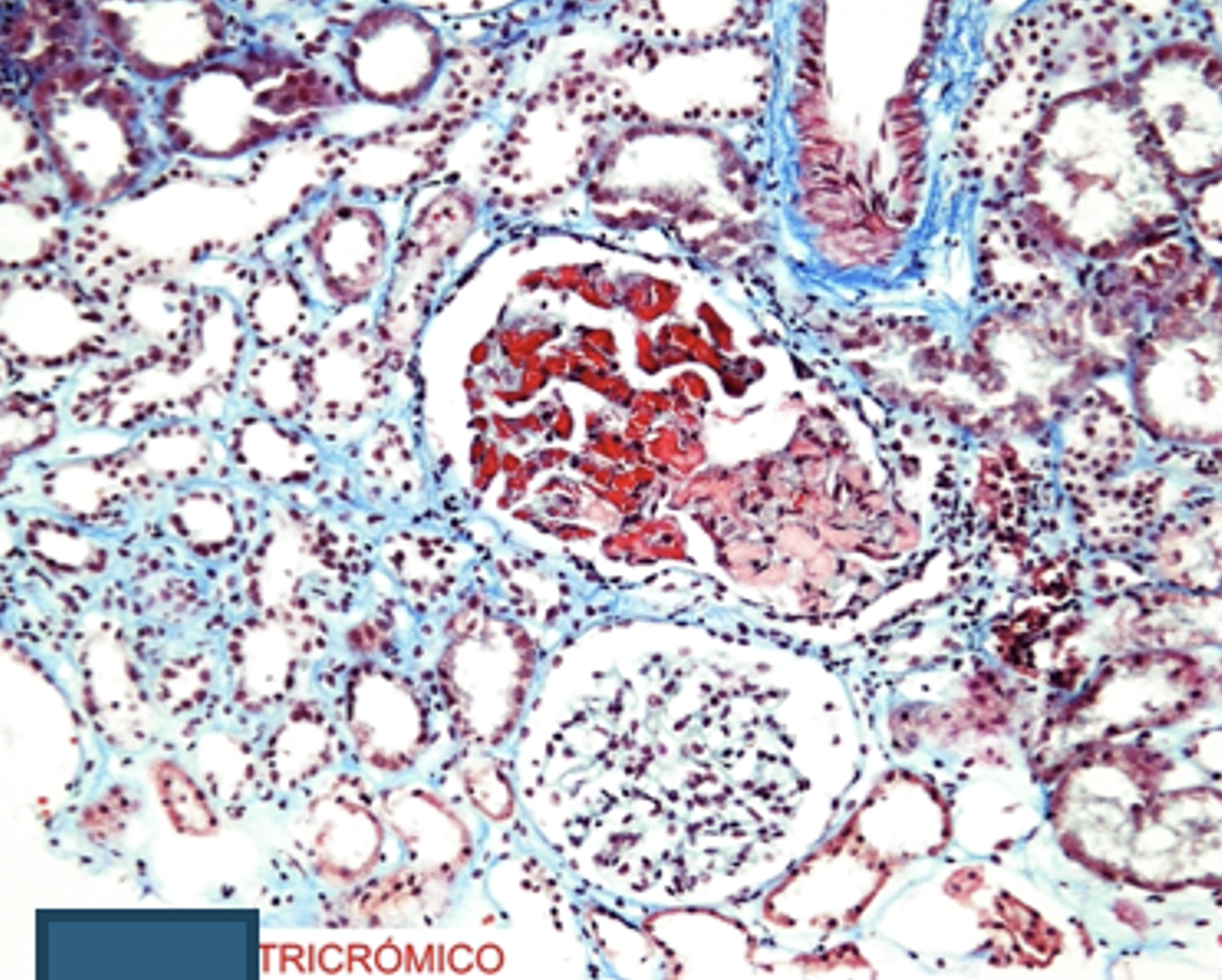
With a PLASMIC score of 4, therapy with plasma exchange and methylprednisolone was initiated. ADAMTS13 activity testing ruled out TTP. Renal biopsy confirmed glomerular thrombotic microangiopathy. Molecular analysis identified a heterozygous deletion in CFHR1-CFHR3, a susceptibility factor associated with complement dysregulation.
Following eight sessions of plasmapheresis, we documented the recovery of platelet counts, normalization of LDH levels, and recovery of renal function, without the need for complement inhibitors. Renal function remains preserved under nephroprotective management.
Conclusions: Postpartum clinical progression is the primary criterion for differentiating between HELLP syndrome and atypical HUS (aHUS). Integrating ADAMTS13 testing, histopathology, and genetic analysis enabled a definitive diagnosis. The favorable outcome—achieved without complement blockade—highlights the biological heterogeneity of pregnancy-associated aHUS. This underscores the need to tailor therapies and maintain rigorous nephrological and clinical follow-up.
Downloads
Published
Issue
Section
License
Copyright (c) 2026 P. Zambrano, H.Darquea, J. Salazar, M. Pillajo, T. Silva, P. Changotasig, L. Manjarres. (Author)

This work is licensed under a Creative Commons Attribution-NonCommercial-ShareAlike 4.0 International License.
 10.56867